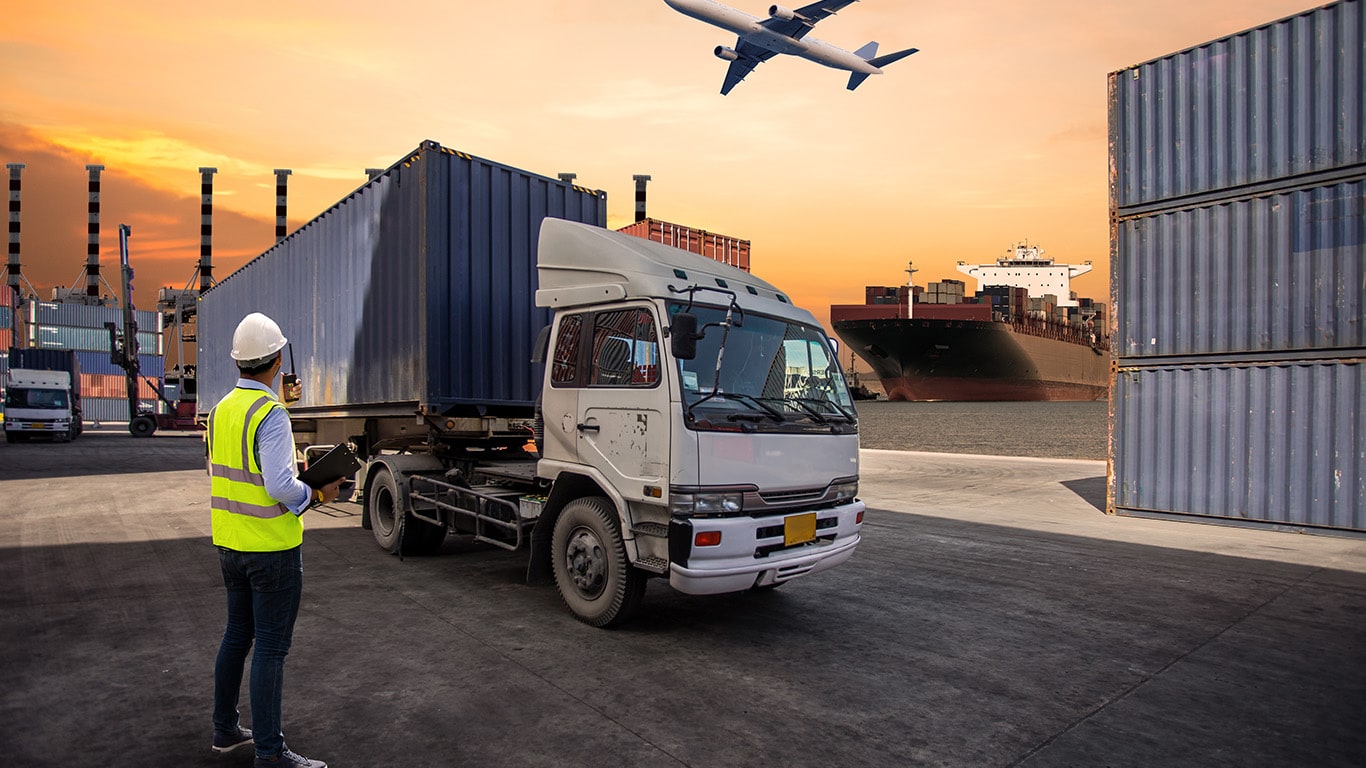
Technology Trends to Follow
The industrial and logistics sectors are undergoing a technological transformation at an unprecedented pace. Emerging innovations are reshaping how goods are produced, transported, and delivered, making operations more efficient, safer, and environmentally sustainable. Companies that embrace these trends are positioning themselves for growth in a rapidly evolving market. Here are the key technology trends to watch in industrial transportation and logistics :
Automation and Robotics
Automation is no longer just a concept; it’s becoming the backbone of modern industrial operations. From automated warehouses to robotic arms in manufacturing, these technologies increase efficiency, reduce human error, and accelerate production. Intelligent robots streamline repetitive tasks, allowing teams to focus on strategic decision-making and innovation.
Artificial Intelligence (AI) and Machine Learning (ML)
AI and ML are revolutionizing supply chain management. Predictive analytics help anticipate demand, optimize inventory, and improve route planning for transportation fleets. AI-driven systems also enhance quality control, identify inefficiencies, and deliver real-time insights to decision-makers, boosting overall operational performance.
Internet of Things (IoT)
IoT connects devices, machinery, and vehicles, creating smart and responsive industrial environments. Sensors monitor equipment health, track shipments in real time, and provide actionable data to prevent downtime. For logistics, IoT enables end-to-end visibility, ensuring goods are delivered on time while minimizing losses and risks.
Autonomous Vehicles
Autonomous trucks, drones, and shipping vessels are transforming the transport sector. By reducing dependency on human operators, these technologies enhance safety, lower operational costs, and optimize routes. Over time, autonomous vehicles will redefine logistics efficiency, especially in long-haul and last-mile delivery.
Sustainable Technologies
Sustainability is becoming a core priority for industrial and logistics operations. Electric and hybrid vehicles, energy-efficient machinery, and smart warehouses reduce carbon footprints and operational costs. Companies adopting green technologies gain a competitive edge while supporting global environmental goals.
Conclusion
The future of industrial transportation and logistics is smart, connected, and sustainable. Companies that embrace automation, AI, IoT, autonomous vehicles, blockchain, AR/VR, and green technologies will achieve higher efficiency, improved safety, and greater environmental responsibility. Staying ahead of these technology trends is no longer optional—it’s essential for shaping the industrial operations of tomorrow.