Reliability of Metal Equipment

Reliability of Metal Equipment:

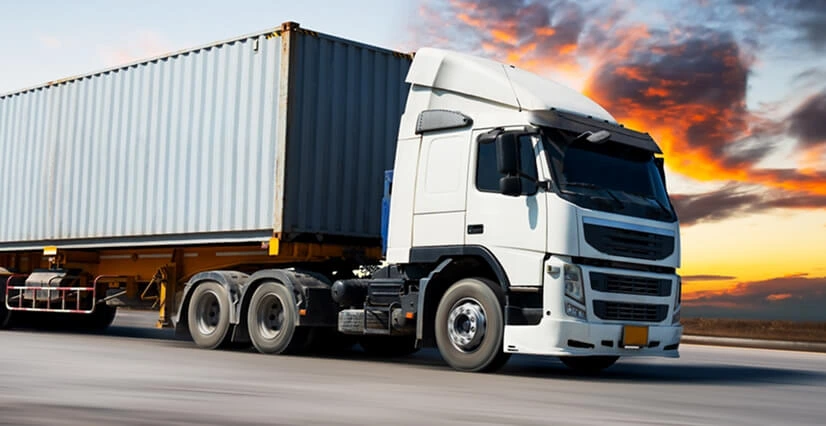
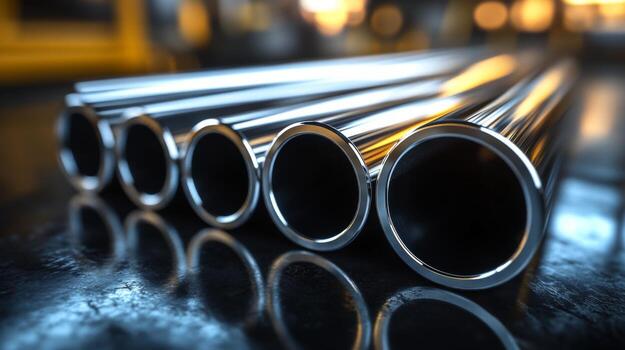
In industrial operations, the performance of metal equipment is critical. From construction machinery and manufacturing tools to transportation and storage systems, reliable metal equipment ensures safety, efficiency, and consistent productivity. Companies that prioritize durability and reliability can reduce downtime, minimize maintenance costs, and enhance operational performance.

The Importance of Reliability in Metal Equipment

Reliable metal equipment is the backbone of industrial productivity. Equipment failure can lead to costly delays, safety hazards, and reduced efficiency. Choosing high-quality materials, robust designs, and precision manufacturing ensures that machinery and structures can withstand heavy usage, extreme conditions, and long-term wear.

High-Quality Materials and Advanced Alloys

The reliability of metal equipment starts with the materials used. Steel, aluminum, and advanced metal alloys offer high strength, corrosion resistance, and durability. Selecting the right material for each application ensures equipment performs optimally, even under extreme pressures or environmental conditions.

Precision Manufacturing and Quality Control

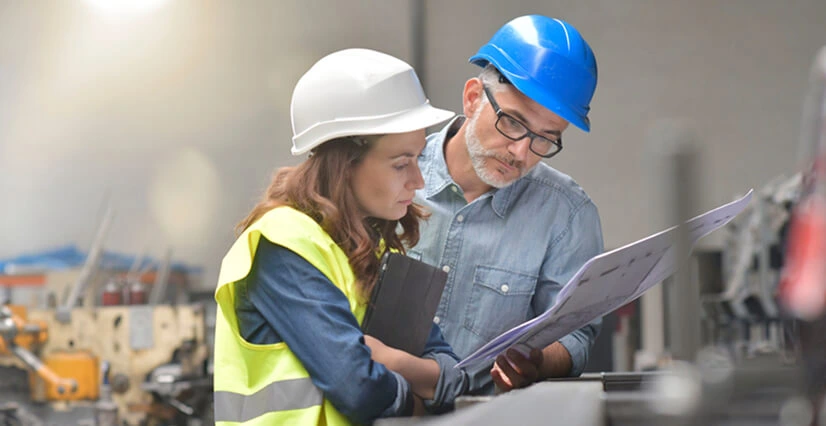
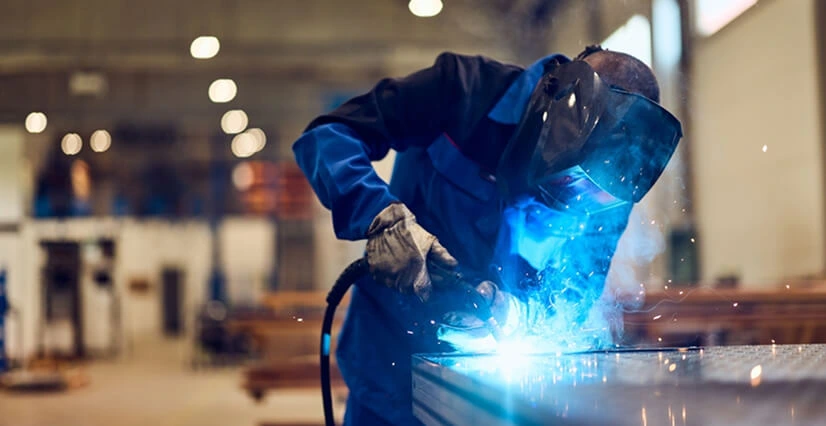
Modern manufacturing techniques, including CNC machining and automated fabrication, enhance the consistency and precision of metal equipment. Rigorous quality control processes, including testing and inspection, guarantee that every component meets strict performance and safety standards.

Maintenance and Lifecycle Management

Even the most reliable equipment requires proper maintenance to ensure longevity. Regular inspections, preventive maintenance, and timely replacement of worn components extend equipment life, reduce operational disruptions, and safeguard investments. Companies that implement effective maintenance strategies achieve higher uptime and lower operational costs.

Innovative Design for Durability

Innovations in design, such as modular structures and reinforced frameworks, enhance the resilience of metal equipment. Advanced engineering ensures that equipment can handle dynamic loads, vibrations, and harsh working conditions, minimizing the risk of failure and maximizing performance.

Conclusion
The reliability of metal equipment is a decisive factor in industrial success. By combining high-quality materials, precise manufacturing, innovative design, and effective maintenance, companies can ensure that their metal equipment delivers consistent performance, safety, and durability. Reliability is not just about strength—it’s about creating trust, efficiency, and sustainable operations in every industrial sector.
Technology Trends to Follow

Technology Trends to Follow

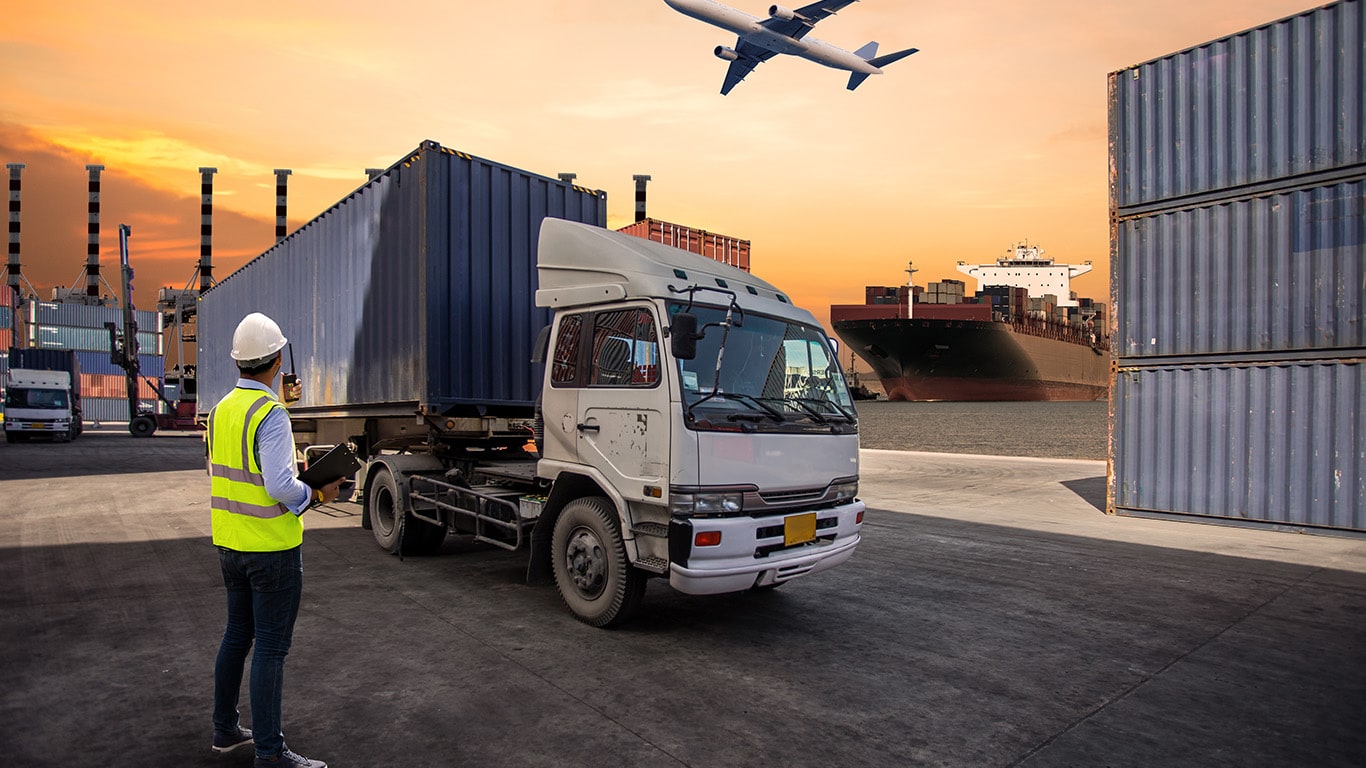
The industrial and logistics sectors are undergoing a technological transformation at an unprecedented pace. Emerging innovations are reshaping how goods are produced, transported, and delivered, making operations more efficient, safer, and environmentally sustainable. Companies that embrace these trends are positioning themselves for growth in a rapidly evolving market. Here are the key technology trends to watch in industrial transportation and logistics :

Automation and Robotics

Automation is no longer just a concept; it’s becoming the backbone of modern industrial operations. From automated warehouses to robotic arms in manufacturing, these technologies increase efficiency, reduce human error, and accelerate production. Intelligent robots streamline repetitive tasks, allowing teams to focus on strategic decision-making and innovation.

Artificial Intelligence (AI) and Machine Learning (ML)

AI and ML are revolutionizing supply chain management. Predictive analytics help anticipate demand, optimize inventory, and improve route planning for transportation fleets. AI-driven systems also enhance quality control, identify inefficiencies, and deliver real-time insights to decision-makers, boosting overall operational performance.

Internet of Things (IoT)

IoT connects devices, machinery, and vehicles, creating smart and responsive industrial environments. Sensors monitor equipment health, track shipments in real time, and provide actionable data to prevent downtime. For logistics, IoT enables end-to-end visibility, ensuring goods are delivered on time while minimizing losses and risks.

Autonomous Vehicles

Autonomous trucks, drones, and shipping vessels are transforming the transport sector. By reducing dependency on human operators, these technologies enhance safety, lower operational costs, and optimize routes. Over time, autonomous vehicles will redefine logistics efficiency, especially in long-haul and last-mile delivery.

Sustainable Technologies

Sustainability is becoming a core priority for industrial and logistics operations. Electric and hybrid vehicles, energy-efficient machinery, and smart warehouses reduce carbon footprints and operational costs. Companies adopting green technologies gain a competitive edge while supporting global environmental goals.

Conclusion
The future of industrial transportation and logistics is smart, connected, and sustainable. Companies that embrace automation, AI, IoT, autonomous vehicles, blockchain, AR/VR, and green technologies will achieve higher efficiency, improved safety, and greater environmental responsibility. Staying ahead of these technology trends is no longer optional—it’s essential for shaping the industrial operations of tomorrow.

The Future of Industrial Transport

The Future of Industrial Transportation

Technological innovations that are revolutionizing logistics and transportation are ushering in a new era for the industrial sector. Smart, sustainable, and automated solutions are transforming the way goods are transported worldwide, optimizing speed, safety, and operational efficiency.

Automation and Robotics Driving Performance

Smart warehouses, equipped with robots and AI systems, enable unparalleled inventory management. This reduces errors, speeds up delivery times, and enhances overall supply chain efficiency.

Autonomous Vehicles: Enhanced Safety and Efficiency

Automated trucks and ships are beginning to traverse roads and waterways, reducing operational costs while increasing safety. These technologies optimize routes and lower the carbon footprint of industrial transportation.

Traceability and Transparency Through IoT and Blockchain

The traceability of goods is being transformed by IoT and blockchain. Each product can be tracked in real time, ensuring transparency and reliability at every stage of the supply chain. This allows companies to anticipate issues and respond more effectively to customer demands.

Sustainable Logistics for a Responsible Future

Industrial transportation is moving toward sustainable development: alternative fuels, vehicle electrification, and energy optimization in warehouses all contribute to reducing environmental impact. Companies adopting these innovative practices become responsible leaders in their industry.

Conclusion: A Connected and High-Performing Future

The future of industrial transportation is not limited to speed and efficiency: it also involves creating a resilient, intelligent, and environmentally responsible logistics system. Emerging technologies such as AI, autonomous vehicles, IoT, and blockchain not only optimize operations but also ensure enhanced safety and complete traceability of goods.

At Evolution International, we are committed to supporting our partners in this industrial revolution. Our goal is to provide intelligent, reliable, and sustainable logistics solutions, enabling every company to thrive in a connected and high-performing environment. Together, we are shaping the industrial transportation of tomorrow—safer, more efficient, and more environmentally responsible.